Entering the global trade market can feel overwhelming—especially if this is your first Import from China to the Philippines. January 2026, however, is one of the smartest times to begin. With the holiday rush behind you and supply chains stabilizing, new importers gain clearer timelines, better coordination, and fewer peak-season risks. This guide breaks down everything first-time importers need to know, step by step, so you can start confidently and compliantly.
Why January Is a Smart Entry Point for New Importers from China to the Philippines
January marks a reset for suppliers, shipping lines, and customs workflows. For first-time importers, this translates to practical advantages:
- Post-holiday normalization of ports and warehouses
- More predictable lead times after December congestion
- Improved supplier responsiveness before Chinese New Year preparations
- Clearer cost planning for Q1 inventory and cash flow
Starting your Import from China to the Philippines in January allows you to learn the process without the pressure of peak-season delays.
Basic Requirements for Importing from China to the Philippines
Before placing your first order, ensure you have the essential import foundations in place:
- Registered business with DTI or SEC
- Bureau of Customs (BOC) accreditation
- Tax Identification Number (TIN)
- Import documents, including:
- Commercial Invoice
- Packing List
- Bill of Lading or Air Waybill
A reliable logistics partner helps verify that all documents are complete before shipment—critical for a smooth Import from China to the Philippines.
Supplier Verification and Product Compliance to Import from China to the Philippines
One of the biggest risks for first-time importers is dealing with unverified suppliers. Protect your investment by focusing on:
- Supplier background checks (business licenses, export history)
- Product samples and specifications
- Compliance with Philippine standards, especially for:
- Electronics
- Food-related items
- Cosmetics and health products
Failing to meet compliance requirements can result in shipment holds or penalties. A guided Import from China to the Philippines process ensures these checks happen before goods leave China.
Import from China to the Philippines Shipping Options Explained in Simple Terms
Choosing the right shipping method affects both cost and delivery time. Here’s a simplified breakdown:
🚢 Sea Freight
- Best for bulky or high-volume cargo
- Lower cost per unit
- Transit time: ~20–35 days
✈️ Air Freight
- Ideal for urgent or high-value items
- Higher cost
- Transit time: ~5–10 days
📦 LCL vs FCL
- LCL (Less than Container Load): Share container space; good for small shipments
- FCL (Full Container Load): Dedicated container; better for larger volumes
For first-time importers, understanding these options is key to managing your Import from China to the Philippines efficiently.
Customs Duties, Taxes, and Clearance Overview Import from China to the Philippines
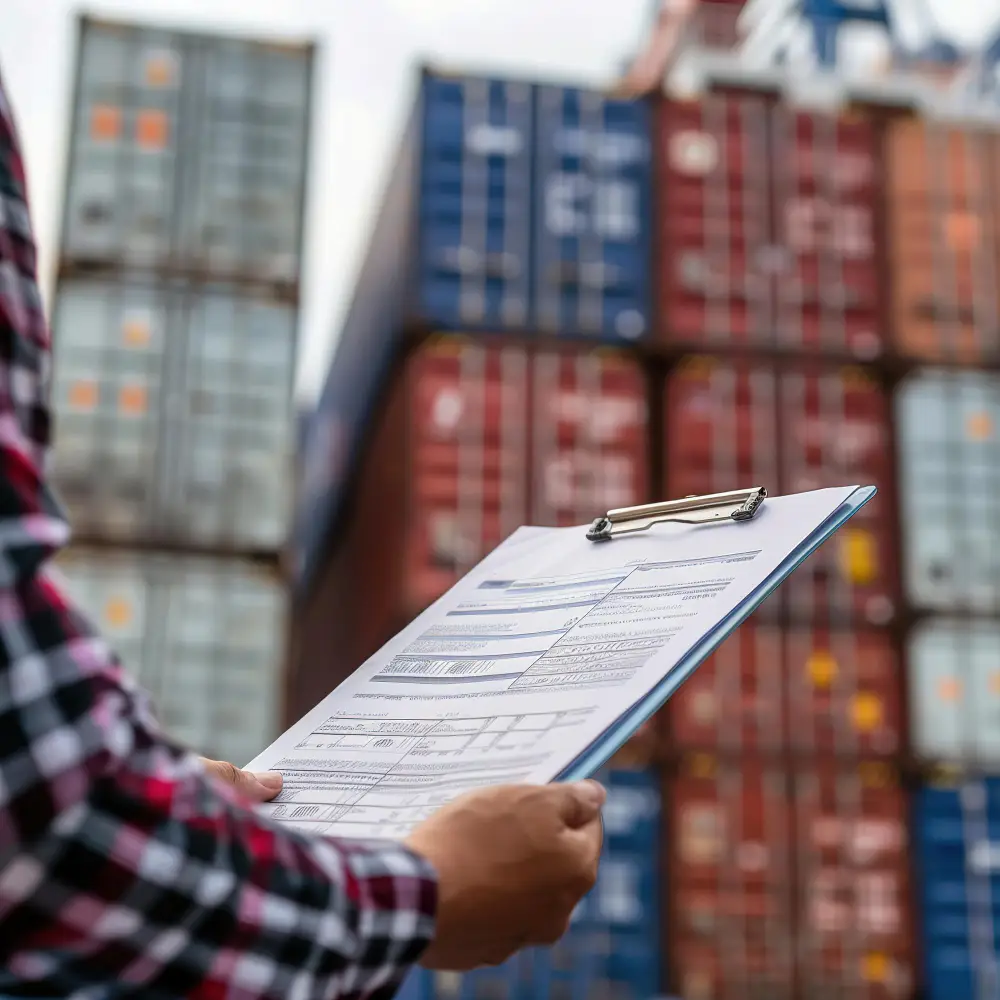
Budgeting correctly means knowing what costs to expect upon arrival:
- Customs duties based on HS codes
- Value-Added Tax (VAT)
- Other applicable fees, depending on product category
Customs clearance can be complex for beginners, but proper classification and documentation prevent delays. A structured Import from China to the Philippines checklist ensures no surprise charges or compliance issues.
How Logistics Partners Guide First-Time Importers from China to the Philippines
This is where experience makes all the difference. A professional logistics partner doesn’t just move cargo—they guide you through your first import journey:
- Supplier coordination and pickup
- Document verification before shipment
- Freight booking and tracking
- Customs clearance support
- Final delivery to your warehouse or store
Jades Cargo Services Inc. specializes in helping new businesses complete their first Import from China to the Philippines with clarity and confidence. From consultation to delivery, their team simplifies every step so you can focus on growing your business—not troubleshooting logistics.
Final Checklist for First-Time Importers from China to the Philippines (January 2026)
Before you ship, confirm the following:
- ✅ Business and BOC registration completed
- ✅ Supplier verified and product compliant
- ✅ Shipping method selected
- ✅ Import costs estimated accurately
- ✅ Logistics partner engaged
Following this checklist dramatically reduces risks and ensures your Import from China to the Philippines starts on solid ground.
Get Guided Support for Your First Shipment
Starting your first Import from China to the Philippines doesn’t have to be complicated. With the right guidance, January 2026 can be the month you confidently enter international trade.
Partner with Jades Cargo Services Inc. and get expert support from supplier coordination to customs clearance—every step handled with precision and care.
Frequently Asked Questions (FAQs) for First-Time Importers
Below are the most common questions new businesses ask when starting their Import from China to the Philippines—especially for January 2026 shipments.
1. Do I need to register my business before importing from China?
Yes. To legally process an Import from China to the Philippines, you must have a registered business (DTI or SEC), a TIN, and Bureau of Customs (BOC) accreditation. Importing without these can cause shipment delays or seizure.
2. Can individuals import from China, or is it for businesses only?
Individuals can import small quantities, but regular or commercial Import from China to the Philippines shipments are strongly recommended under a registered business to avoid customs issues and higher penalties.
3. How long does shipping from China to the Philippines usually take?
It depends on the shipping method:
- Sea freight: 20–35 days
- Air freight: 5–10 days
January is often more stable than December, making it a good time for first-time importers to experience predictable transit schedules.
4. What documents are required for customs clearance?
For a smooth Import from China to the Philippines, you’ll need:
- Commercial Invoice
- Packing List
- Bill of Lading or Air Waybill
- Import permits (if applicable)
Missing or incorrect documents are the most common causes of delays for beginners.
5. How much should I budget for customs duties and taxes?
Customs duties and VAT depend on your product’s HS code and declared value. A common mistake among first-time importers is underestimating these costs. Working with a logistics partner helps you compute accurate landed costs before shipping.
6. Is sea freight or air freight better for first-time importers?
- Sea freight is ideal if you’re importing in bulk and want lower costs.
- Air freight is better for urgent, lightweight, or high-value items.
Many beginners start with LCL sea freight to test their Import from China to the Philippines process.
7. What products need special permits in the Philippines?
Items such as food, cosmetics, electronics, medical supplies, and toys may require additional permits or certifications. Always confirm compliance before your supplier ships the goods.
8. How do I avoid scams or unreliable suppliers in China?
First-time importers should:
- Request supplier business licenses
- Order samples
- Avoid deals that seem “too cheap”
- Use a logistics provider that assists with supplier coordination
This reduces risks in your Import from China to the Philippines journey.
9. Can a logistics company handle everything for me?
Yes. A full-service logistics partner can manage pickup, documentation, shipping, customs clearance, and delivery. Jades Cargo Services Inc. is experienced in guiding first-time importers step by step—making the process easier, clearer, and compliant.
10. Is January really a good time to start importing?
Absolutely. January offers fewer port backlogs, better supplier availability, and more stable shipping schedules—making it one of the best months to begin your Import from China to the Philippines, especially if it’s your first time.