Every March, the Philippines observes Fire Prevention Month, a nationwide campaign led by the Bureau of Fire Protection (BFP) to promote awareness and preparedness against fire-related incidents. For industries such as logistics, cargo forwarding, and warehousing, fire prevention is especially critical. One overlooked yet important aspect of fire safety is the proper handling of a Shipping Container.
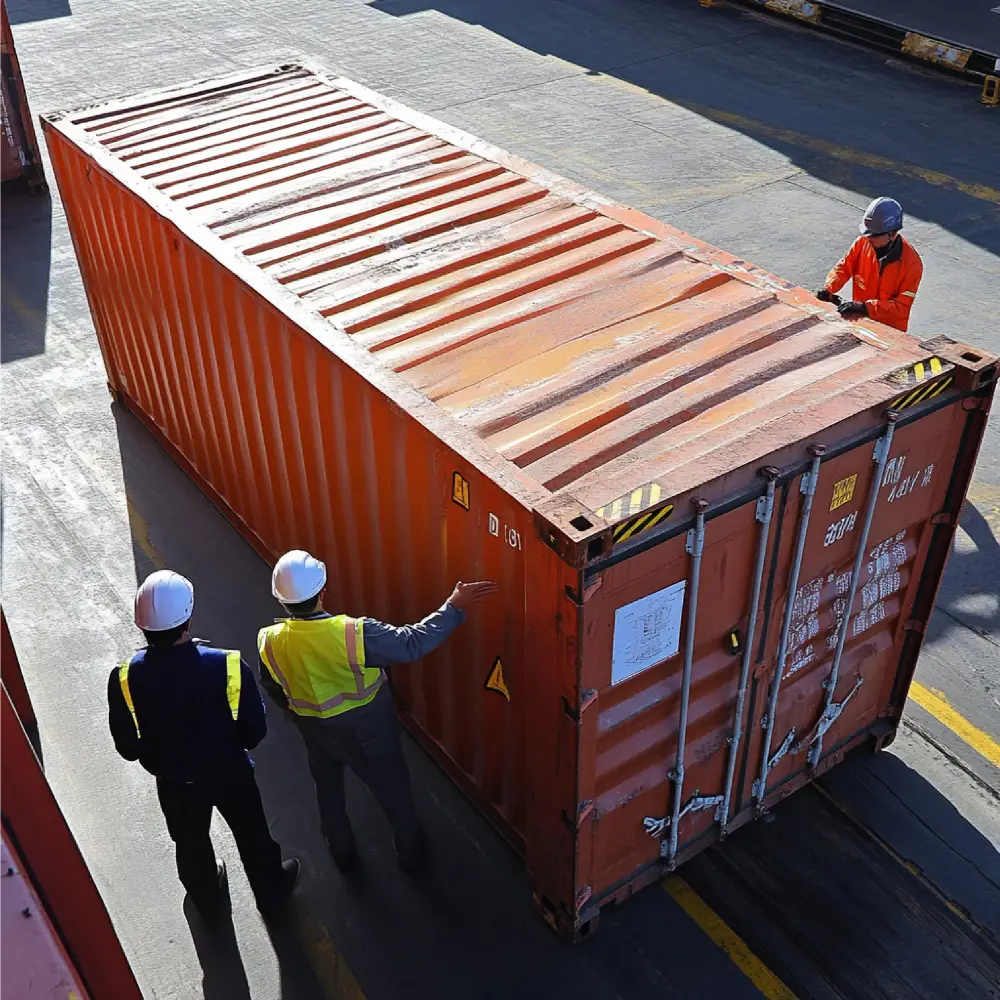
Shipping containers are widely used for transporting goods across cities and islands in the Philippines. From cargo padala services to nationwide freight logistics, containers help businesses move products efficiently. However, improper container handling, unsafe storage practices, and lack of monitoring can lead to serious fire hazards in warehouses and container yards.
At Jades Cargo Services Inc., safety is a top priority. Proper container management, cargo inspection, and fire safety protocols ensure that shipments remain protected while minimizing risks within logistics facilities.
Understanding how to safely manage a Shipping Container is essential not only for logistics companies but also for businesses shipping products nationwide.
Importance of Shipping Container Safety in Logistics
Containers are designed to transport large volumes of cargo securely. However, the nature of containerized cargo means that various goods—sometimes flammable or temperature-sensitive—are stored together in enclosed metal spaces.
Without proper safety measures, these containers can become potential fire hazards.
Fire safety in logistics is important because it helps:
- Protect cargo shipments from damage or loss
- Prevent fires from spreading across container yards or warehouses
- Ensure safety for warehouse workers and logistics personnel
- Reduce business interruptions and financial losses
- Maintain compliance with local fire safety regulations
A well-maintained Shipping Container system ensures both operational efficiency and workplace safety in logistics operations.
Common Fire Hazards in a Shipping Container
Despite their durable construction, containers can still present risks if cargo is improperly handled. Understanding the common fire hazards associated with a Shipping Container is the first step toward prevention.
Improper Cargo Storage
One of the most frequent causes of container-related fire incidents is improper cargo stacking. When goods are packed without proper spacing or classification, heat can build up inside the container.
Some common storage mistakes include:
- Mixing incompatible cargo types
- Overloading containers beyond capacity
- Blocking ventilation pathways
- Improper stacking of pallets and boxes
Proper cargo arrangement ensures airflow and reduces heat accumulation inside a Shipping Container.
Flammable Materials
Certain goods transported through logistics networks are naturally flammable. These may include:
- Chemicals
- Paints and solvents
- Aerosol products
- Fuel containers
- Cleaning solutions
If these items are not labeled or stored properly, they can become dangerous during transportation or warehouse storage.
Using hazard labels and segregating flammable cargo helps reduce fire risks associated with a Shipping Container.
Electrical Equipment in Container Yards
Container yards often use electrical equipment such as:
- Lighting systems
- Refrigerated container power units
- Monitoring systems
- Charging stations for logistics vehicles
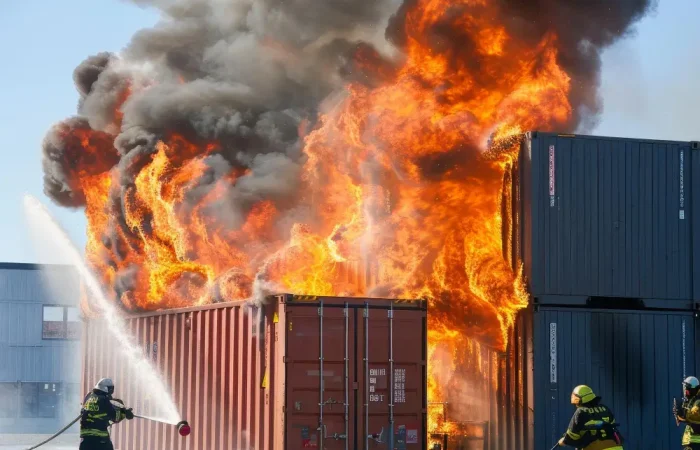
Faulty wiring or overloaded circuits can ignite nearby materials and cause fires. When containers are stored close together, a small electrical fire can quickly spread across multiple units.
This is why regular electrical inspections are necessary in facilities that handle large volumes of Shipping Container operations.
Best Fire Safety Practices for Shipping Containers
Preventing container-related fires requires proactive safety practices. Logistics companies implement several procedures to ensure container safety during transport and storage.
Proper Ventilation
Containers are enclosed metal units that can trap heat. Without proper ventilation, temperatures inside the container may rise, especially when exposed to sunlight for long periods.
Ventilation solutions include:
- Using containers with built-in air vents
- Avoiding airtight storage for heat-sensitive cargo
- Allowing space between containers for airflow
Proper airflow helps regulate internal temperatures and lowers the risk of fire in a Shipping Container.
Temperature Monitoring
Some shipments require temperature control, particularly food products, chemicals, or sensitive electronics. Monitoring internal container temperatures allows logistics teams to detect potential overheating issues before they escalate.
Modern container monitoring systems can provide:
- Temperature alerts
- Real-time cargo condition updates
- Remote monitoring capabilities
These systems improve safety while protecting goods stored in a Shipping Container.
Hazard Labeling
Clear labeling plays a crucial role in fire prevention. Hazard labels inform logistics personnel about the type of cargo stored inside the container.
Important labels include:
- Flammable materials
- Chemical hazards
- Temperature-sensitive goods
- Fragile cargo
Proper hazard identification ensures that warehouse staff handle each Shipping Container appropriately.
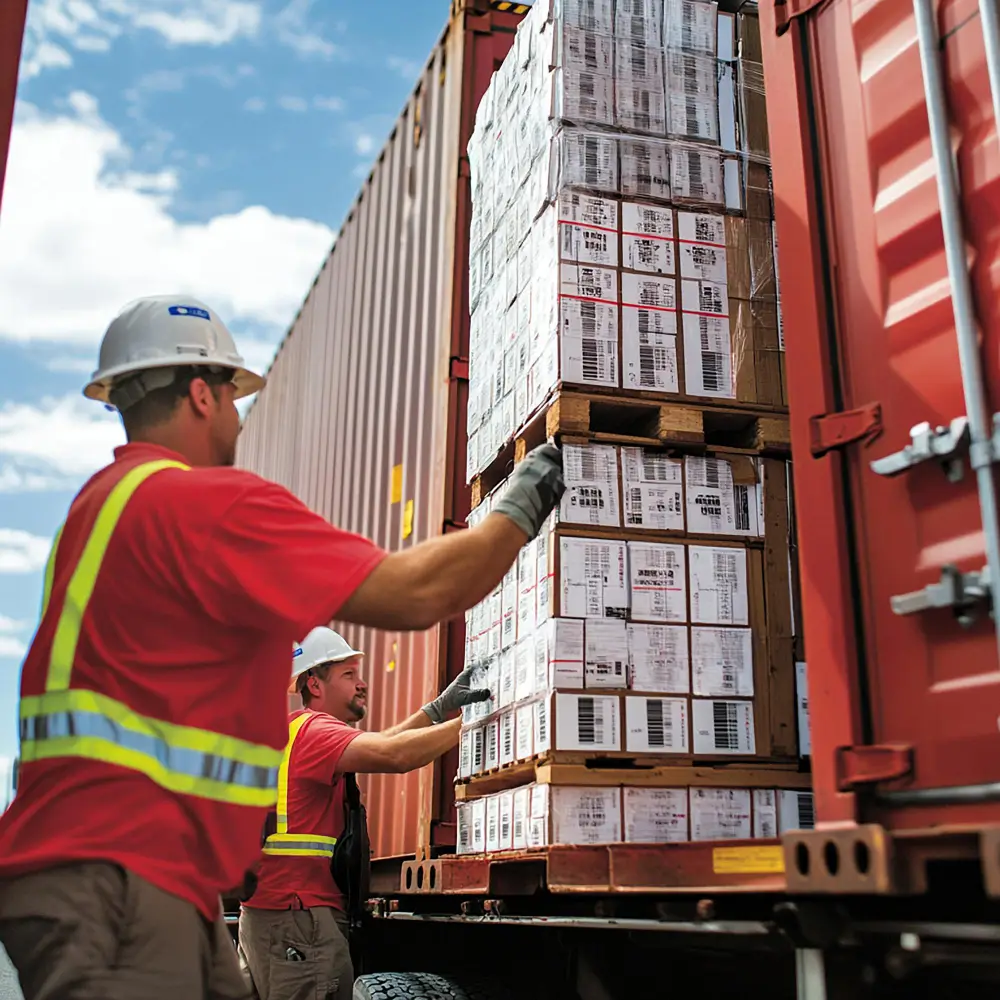
Fire Safety Standards for Shipping Container Storage Facilities
Logistics facilities and container yards follow strict fire safety guidelines to minimize risk. These standards ensure that large storage areas containing multiple containers remain safe.
Common safety protocols include:
- Maintaining safe distances between container stacks
- Installing fire extinguishers and hydrant systems
- Conducting regular fire drills and safety training
- Installing smoke detection and alarm systems
- Providing accessible emergency exits and fire lanes
These safety measures are especially important in high-volume logistics hubs where hundreds of Shipping Container units may be stored simultaneously.
How Logistics Companies Ensure Shipping Container Safety
Professional logistics providers implement multiple safety layers to protect cargo and facilities. At Jades Cargo Services Inc., container safety is integrated into every step of the logistics process.
Key safety measures include:
Cargo Inspection Before Loading
Every container is checked to ensure that cargo is packed properly and that no hazardous materials are incorrectly declared.
Proper Cargo Segregation
Different cargo categories are stored separately to prevent chemical reactions or fire risks.
Secure Container Handling
Containers are handled using appropriate lifting equipment and storage methods to prevent damage.
Staff Training and Safety Protocols
Warehouse staff receive regular safety training on container handling, emergency response, and hazard management.
By implementing these safety procedures, logistics companies ensure that every Shipping Container is transported and stored safely.
Fire prevention is a critical responsibility in the logistics industry. As cargo volumes increase across the Philippines, maintaining safe container handling practices becomes even more important.
Proper ventilation, temperature monitoring, hazard labeling, and strict storage standards all contribute to safer container operations.
A well-managed Shipping Container system not only protects valuable cargo but also safeguards warehouse workers, logistics personnel, and nearby facilities.
During Fire Prevention Month and beyond, prioritizing container safety ensures that logistics operations remain efficient, secure, and reliable.
Ensure Safe and Reliable Shipping Container with Jades Cargo Services Inc.
If you’re looking for a trusted logistics partner that prioritizes safety, efficiency, and cargo protection, Jades Cargo Services Inc. is here to help.
Our experienced team follows strict container handling procedures to ensure every Shipping Container is transported securely across the Philippines.
Contact Jades Cargo Services Inc. today to learn more about our cargo forwarding and container shipping services.
Let us help you move your shipments safely, efficiently, and with complete peace of mind.